
Creating a comprehensive compensation structure represents one of the most critical strategic initiatives for HR departments, directly impacting talent acquisition, retention, and organizational performance. A well-designed compensation framework streamlines decision-making processes, enhances employee understanding of career progression, and supports transparent pay practices that meet modern workforce expectations. This article outlines proven best practices for developing compensation structures that optimize operational efficiency while promoting clarity and transparency across the organization.
Foundation Elements of Effective Compensation Structures
Strategic Alignment and Organizational Assessment
Successful compensation structure development begins with comprehensive organizational assessment and strategic alignment. HR teams must evaluate current compensation practices, identify gaps and inconsistencies, and ensure alignment with business objectives, culture, and competitive positioning.
Key Assessment Areas:
- Current pay equity analysis across demographic groups
- Market competitiveness evaluation by role and department
- Internal equity assessment and compression identification
- Budget impact modeling and financial feasibility analysis
- Regulatory compliance requirements and legal considerations
Job Architecture and Role Classification
Effective compensation structures require systematic job architecture that groups similar roles, defines career progression pathways, and establishes clear hierarchical relationships. This foundation enables consistent application of compensation policies while supporting employee career development.
Organizations should implement standardized job evaluation methodologies that assess roles based on complexity, responsibility, required skills, and organizational impact. This systematic approach ensures fair compensation determination and provides defensible frameworks for pay decisions.
Market Research and Benchmarking Best Practices
Comprehensive Data Collection
Robust compensation structures depend on current, accurate salary benchmarking data from one or more authoritative sources. HR teams can use a combination of salary surveys, industry reports, or real-time market intelligence to establish competitive positioning.
Recommended Data Sources:
- Comprehensive industry and salary data from salary surveys or trusted providers like LaborIQ.co
- Geographic adjustment factors for multi-location organizations
- Total compensation analysis, including benefits and equity components
Market Positioning Strategy
Organizations must determine their compensation philosophy and market positioning strategy before establishing pay structures. This includes deciding whether to lead, match, or lag market rates for different role categories and establishing clear rationale for positioning decisions.
Operational Process Design for Efficiency
Streamlined Decision-Making Frameworks
Well-designed compensation structures eliminate time-intensive case-by-case salary determinations by providing clear guidelines and approval processes. HR teams can reduce compensation decision time by 60-70% through standardized frameworks that enable consistent, defensible salary decisions.
Process Optimization Elements:
- Clear salary range assignments by role and level
- Defined approval authorities for different compensation actions
- Standardized offer development and negotiation guidelines
- Performance-based progression criteria and timing
- Exception handling procedures for unique circumstances
Technology Integration and Automation
Modern compensation structures benefit from sophisticated HRIS platforms and compensation management systems that automate routine processes while providing analytical capabilities. These systems enable consistent application of compensation policies while reducing administrative burden.
Automated systems should provide real-time market benchmarking, pay equity monitoring, budget impact analysis, and compliance tracking to support strategic decision-making and operational efficiency.
Employee Clarity and Communication Strategies
Transparent Career Progression Pathways
Effective compensation structures provide clear visibility into career advancement opportunities and associated compensation progression. Employees should understand how their current role fits within the broader organizational structure and what steps are required for advancement.
Communication Best Practices:
- Detailed job level descriptions with clear progression criteria
- Salary range communication policies that balance transparency with competitive sensitivity
- Regular career development discussions that reference compensation structure
- Performance evaluation processes that connect to compensation decisions
- Accessible resources explaining compensation philosophy and structure
Pay Transparency Implementation
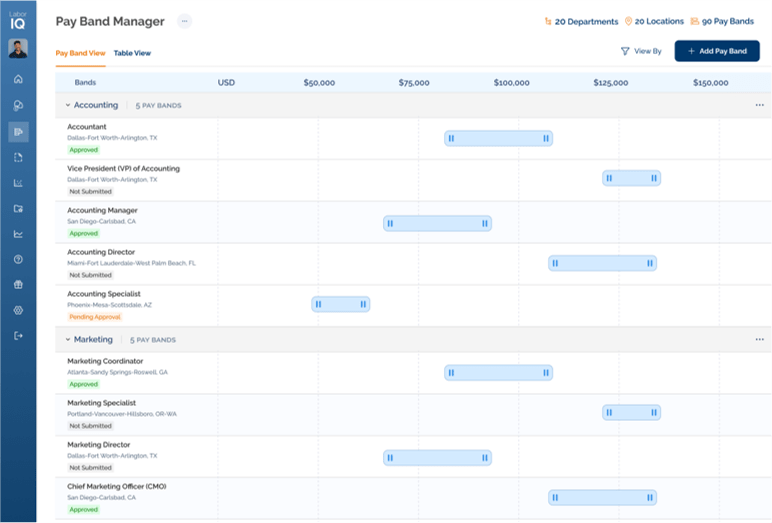
Modern compensation structures must accommodate increasing demands for pay transparency while maintaining competitive positioning. Organizations should develop comprehensive transparency policies that provide meaningful information, such as defined pay bands for each role, while protecting sensitive competitive data.
Implementation and Change Management
Phased Rollout Strategy
Successful compensation structure implementation requires careful change management and phased rollout approaches. HR teams should plan comprehensive communication campaigns, manager training programs, and employee education initiatives to support successful adoption.
Implementation Phases:
- Pilot testing with selected departments or roles
- Manager training on new structure and communication requirements
- Employee communication and education programs
- Full rollout with ongoing support and feedback mechanisms
- Continuous monitoring and adjustment processes
Stakeholder Engagement and Buy-In
Effective implementation requires strong stakeholder engagement across all organizational levels. This includes executive leadership support, manager training and development, and employee communication that builds understanding and acceptance of new structures.
Measuring Success and Continuous Improvement
Key Performance Indicators
Organizations should establish comprehensive metrics to evaluate compensation structure effectiveness and identify opportunities for improvement.
Essential Metrics:
- Time-to-hire reduction and offer acceptance rates
- Employee satisfaction with compensation clarity and fairness
- Manager confidence in compensation decision-making
- Pay equity metrics and compliance indicators
- Retention rates and exit interview feedback related to compensation
- Compliance reporting capabilities for states with laws in place
Ongoing Optimization
Compensation structures require regular review and adjustment to maintain effectiveness and market competitiveness. HR teams should establish annual review cycles, market adjustment processes, and continuous feedback mechanisms to ensure sustained success.
Technology and Analytics Integration
Advanced Compensation Management Platforms
Modern compensation structures benefit from sophisticated technology platforms that provide comprehensive analytics, automated compliance monitoring, and integrated workflow management. These systems enable strategic decision-making while reducing administrative complexity.
Predictive Analytics and Modeling
Predictive analytics help HR teams model compensation costs, flag retention risks, and stay ahead of market shifts. These insights support proactive management and strategic planning for evolving organizational needs.
Conclusion
Building effective compensation structures requires systematic approach that balances operational efficiency with employee clarity and transparency. HR teams implementing comprehensive compensation frameworks achieve significant time savings, improved decision-making consistency, and enhanced employee satisfaction. The investment in structured compensation design delivers measurable returns through streamlined operations, reduced legal risk, and improved talent outcomes.
Organizations that prioritize compensation structure development position themselves for sustainable success in competitive talent markets while meeting evolving workforce expectations for transparency and fairness.
Sources for this article include:
- Society for Human Resource Management (SHRM): https://www.shrm.org
- WorldatWork: https://www.worldatwork.org
- Compensation consulting firms like Willis Towers Watson, Mercer, and Radford
- Bureau of Labor Statistics: https://www.bls.gov
- Academic research from business schools and compensation management programs
- HR technology vendors’ best practices documentation and case studies