
May 2026 U.S. Job Market & Compensation Report
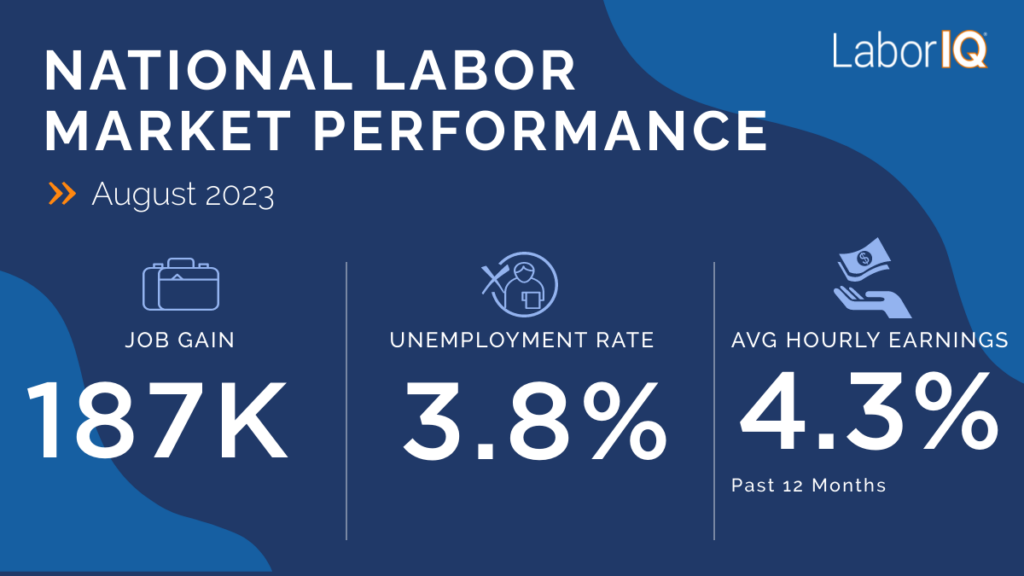
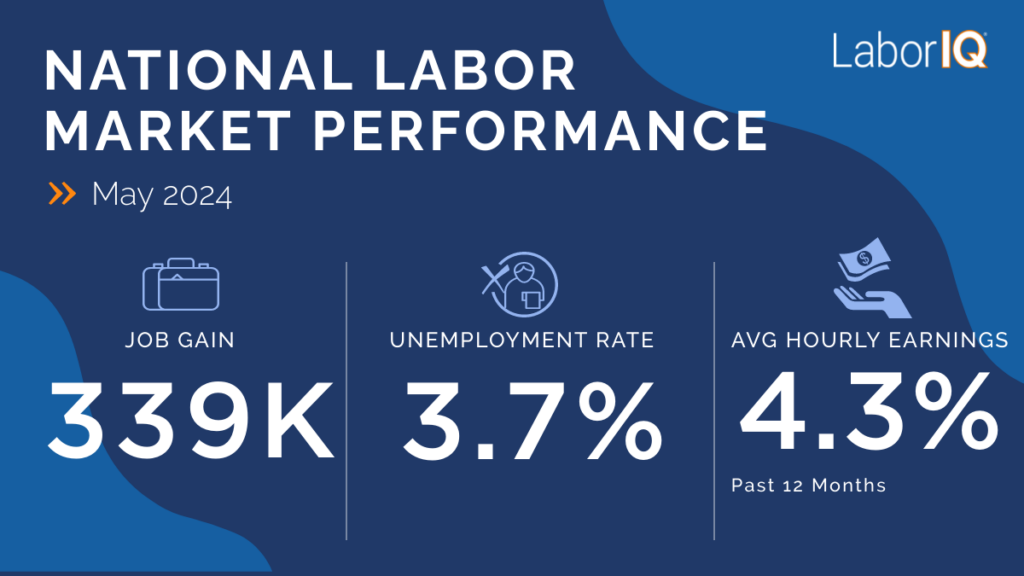
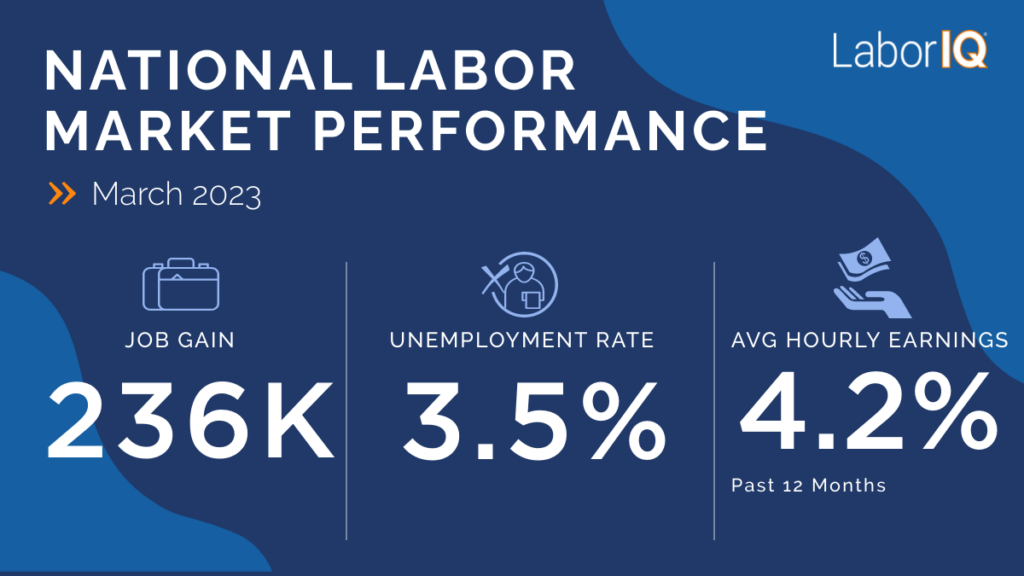
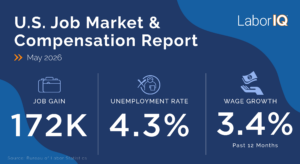
U.S. businesses added 172,000 new jobs in May, more than double expectations of around 80,000. Unemployment was unchanged at 4.3%, wages grew 3.4% year over year.
This is a strong report that caps off three impressive months of job gains, low unemployment and layoffs, and robust wage growth. The headline numbers are strong, but to many this feels like one of the weakest labor markets since the Great Recession.
💡 How to reconcile the tension between a solid report and the growing headwinds and uncertainty felt by job seekers and business leaders? Once again, it all comes down to industry. Just three industries – leisure and hospitality (+70,000), local government (+55,000), and healthcare (+35,000) – accounted for 93% of all jobs added in May.
When job growth is concentrated in a handful of industries, businesses outside those sectors face a very different labor market where hiring has quietly slowed or layoffs have become more commonplace.
⚽ Leisure and hospitality added 70,000 new jobs, with gains across all sectors from restaurants to hotels to performance venues. Some of this employment bump is likely due to seasonal patterns and summer vacation. Perhaps playing an even bigger factor in the hiring boom is that the U.S., along with Canada and Mexico, is hosting the World Cup, which kicks off in June. While attendance totals are falling short of expectations, the sporting event is still projected to boost tourism to the eleven U.S. host cities this summer.
🏤 Another sector bolstered by seasonal patterns, local government, added 55,000 jobs in May, marking the biggest job gain in more than two years. Many municipalities hire lifeguards, landscaping crews, and parks and recreation workers during the summer months.
🩺 And once again, healthcare was a major driver of employment, accounting for 35,000 new jobs last month. May’s total brings year-over-year healthcare job gains to nearly 460,000.
How the Low-Hire Market Is Affecting Young Workers and New Grads in 2026
These concentrated gains mask a harder truth: for workers just entering the labor market, the timing couldn’t be worse.
With graduation season now behind us, a new cohort of high school and college grads are seeking opportunities, unfortunately during a low-hire, low-fire job market.
The first five months of 2026 have brought a more robust hiring market than originally expected, at least on the surface. However, as discussed above (and in the chart below), all job gains can essentially be attributed to just two industries – healthcare and leisure and hospitality.
💡 When healthcare and leisure and hospitality hiring is stripped out, employment is contracting. This shift hits less experienced (and younger) workers the hardest.
Against that backdrop of declining employment across many sectors, unemployment among 16–19-year-olds has climbed to 14.7% and 20–24-year-olds to 7.2%, compared to just 3.5% for workers 25 and older. At a time of uncertainty, businesses tend to focus on experience. However, in the long run, this can leave organizations with a talent gap.
What’s behind the unemployment increase for young people?
AI has been a common explanation for slower hiring, especially for entry-level workers. However, the data doesn’t signal that’s the case – at least not yet.
A recent study by the Federal Reserve Bank of New York digs into the factors contributing to the increase in youth unemployment and finds a surprising potential cause – not AI but the rise of remote work.
The report compares unemployment rates for workers in jobs by “remotability,” or how easy it is to do the job away from the worksite. Remotable jobs are those such as software engineering or accounting, while non-remotable jobs such as mechanical engineering or healthcare require an in-person presence. The unemployment rate for workers in remote jobs has risen more than those in non-remote jobs.
In plain terms: unemployment has risen faster among desk workers whose jobs could be done from home than among tradespeople and healthcare workers who must be on-site.
Key Findings
- Remote work – not AI – is behind the rise of youth unemployment
- The increase in youth unemployment predates AI diffusion
- Hiring entry-level employees into a distributed, remote workforce requires additional training on both job responsibilities and operating remotely
- Work quality can suffer when operating remotely, although some productivity loss can be offset by lack of real estate cost
- Businesses may avoid hiring inexperienced workers when “distance creates barriers to training and development”
Why this Matters for HR Teams: The Talent Pipeline
- Entry-level pipelines are thinning, which creates a longer-term talent gap in industries that depend on growing their own.
- Companies with hybrid work or return-to-office policies may have a strategic hiring advantage for early-career roles, especially when accompanied by training and mentorship.
- HR leaders should audit whether their distributed onboarding infrastructure is equipped for inexperienced hires – or whether they’ve quietly shifted to experience-required hiring without naming it.

LaborIQ provides HR teams and business leaders with market-competitive compensation benchmarks. In an evolving job market, you need to know what salaries to offer to retain employees and fill open positions faster.
Want to hear about how LaborIQ can help your HR team? Learn more