
A significant disconnect exists between traditional company core behaviors and values and the emerging patterns exhibited by Generation Z workers, who now represent over 20% of the workforce and growing. This values gap threatens organizational effectiveness, talent acquisition success, and long-term competitiveness as Gen Z becomes the dominant workforce generation over the next decade. This article outlines the fundamental differences between organizational norms and Gen Z expectations, providing guidance for HR teams to adapt hiring practices, job requirements, communication protocols, and management approaches to bridge this divide.
The Generation Z Values Gap: Core Disconnects
Traditional Organizational Values vs. Gen Z Expectations
Many established organizations prioritize loyalty, hierarchical structures, and gradual career progression, creating cultural norms that often conflict with the expectations Gen Z brings to today’s workforce. Generation Z workers fundamentally reject these traditional frameworks, prioritizing authenticity, purpose alignment, rapid impact, and integration of personal and professional identities.*
Critical Value Divergences:
- Loyalty vs. Opportunity: Traditional organizations expect long-term commitment; Gen Z prioritizes continuous growth and will change employers every 2-3 years
- Hierarchy vs. Meritocracy: Established companies respect organizational levels; Gen Z expects influence based on contribution regardless of tenure
- Patience vs. Speed: Traditional career paths span decades; Gen Z demands rapid advancement and visible impact within months
- Separation vs. Integration: Companies historically separated work and personal values; Gen Z requires authentic alignment between organizational mission and personal beliefs
Organizations that don’t adapt to these changing expectations often see higher Gen Z turnover and lower engagement compared to those investing in updated workforce practices. *
Behavioral Pattern Shifts
Generation Z exhibits distinct behavioral patterns shaped by digital connectivity, social awareness, and economic uncertainty that challenge traditional workplace norms.*
Emerging Gen Z Patterns:
- Continuous feedback expectations replacing annual performance reviews
- Public accountability demands through social media and employer review platforms
- Flexible work arrangements as non-negotiable requirements rather than benefits
- Purpose-driven career decisions prioritizing mission over compensation alone
- Transparent communication expectations eliminating corporate ambiguity and traditional hierarchical information control
Workforce Population Expectations and Strategic Implications
Generation Z Workforce Growth Trajectory
Generation Z currently comprises approximately 20% of the U.S. workforce, with projections indicating they will become the largest working generation by 2030-2035. This demographic shift creates urgent imperatives for organizational adaptation.*
Organizations that delay adaptation until Gen Z dominance occurs will face severe competitive disadvantages, talent shortages, and cultural misalignment that undermines performance and market positioning.*
Talent Acquisition and Competitive Pressure
As Gen Z workforce participation accelerates, competition for aligned talent intensifies. Organizations demonstrating authentic commitment to Gen Z values capture disproportionate talent advantages while traditional employers struggle with chronic vacancies and quality challenges.*
For example, Gen Z candidates research company values and workplace culture extensively before applying, and decline opportunities at organizations whose values conflict with their own despite competitive compensation.*
Transforming Hiring Practices for Gen Z Engagement
Job Description Evolution and Transparency
Traditional job descriptions emphasizing responsibilities, qualifications, and hierarchical reporting structures fail to engage Gen Z candidates who prioritize purpose, impact, and growth opportunities.*
Modern Job Description Requirements:
- Purpose and Impact Statements: Clear articulation of how the role contributes to organizational mission and societal value
- Growth and Development Pathways: Explicit description of learning opportunities, skill development, and advancement timelines
- Values Alignment Indicators: Transparent communication of organizational values, diversity commitments, and social responsibility initiatives
- Work Environment Details: Specific information about flexibility, remote work options, collaboration approaches, and team culture
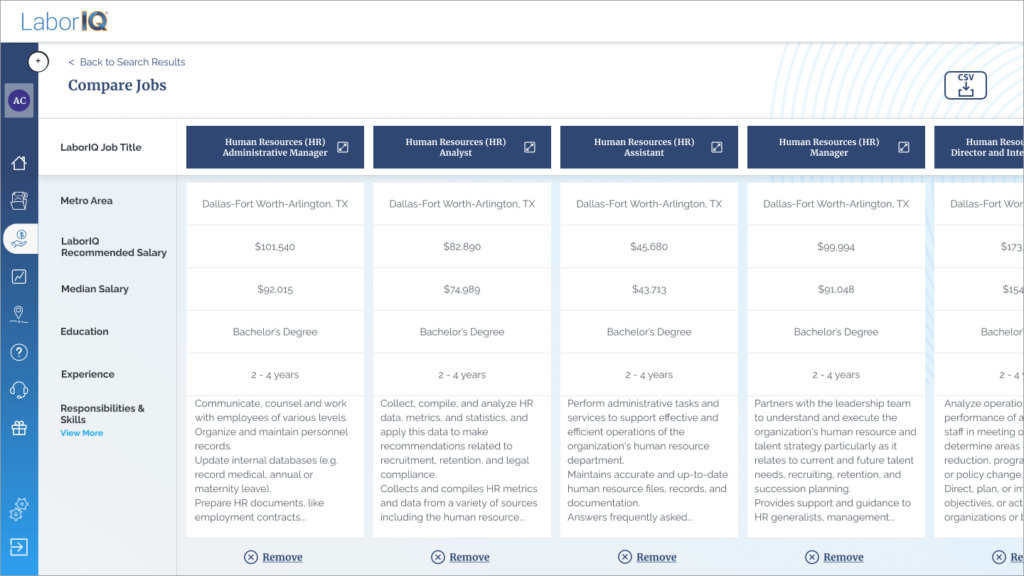
- Comprehensive Compensation Transparency: Complete salary ranges, benefits details, equity opportunities, and total rewards information
Organizations that incorporate purpose, values alignment, and clear growth pathways in their job descriptions generally attract more qualified Gen Z applicants and fill roles more efficiently. *
Detailed Job Requirements: Balancing Expectations and Accessibility
Gen Z candidates scrutinize job requirements for authenticity and accessibility, rejecting inflated qualifications that create unnecessary barriers while expecting clarity about genuine role demands.*
Requirements for Best Practices:
- Distinguish between required and preferred qualifications clearly
- Eliminate degree requirements where skills and experience suffice
- Specify actual technical competencies rather than years of experience
- Include specific examples of work products and outcomes expected
- Articulate learning curve expectations and training support provided
Reducing unnecessary barriers in job requirements increases Gen Z applicant diversity while improving quality of hire through skills-focused selection.*
Follow the LaborIQ blog content for Part 2 in this Gen Z series.
Sources
- Pew Research Center generational workforce studies: https://www.pewresearch.org
- Deloitte Global Millennial and Gen Z Survey reports
- Society for Human Resource Management (SHRM): https://www.shrm.org
- McKinsey Institute research on Generation Z workforce trends
- Gallup workplace engagement research by generation
- Academic research from business schools on generational workplace dynamics