
Communication Protocol Transformation
Radical Transparency and Authentic Dialogue
Generation Z expects direct, transparent communication across the workplace, including clarity in decision-making and compensation discussions. This expectation is reshaping how HR teams structure internal communication and employee engagement. *
Gen Z Communication Expectations:
- Direct and Honest Feedback: Real-time, specific performance input without corporate softening or delayed annual reviews
- Decision-Making Transparency: Clear explanation of how and why organizational decisions are made, including compensation, promotions, and strategic changes
- Open Forum Access: Regular opportunities to engage with leadership, ask challenging questions, and receive authentic responses
- Digital-First Communication: Preference for asynchronous digital channels with documentation over formal meetings and verbal agreements
- Social Issues Engagement: Expectation that organizations communicate clearly on relevant social, environmental, and political topics
Organizations implementing transparent communication protocols achieve higher Gen Z engagement scores and improved retention rates.*
Pay Transparency as Cultural Foundation
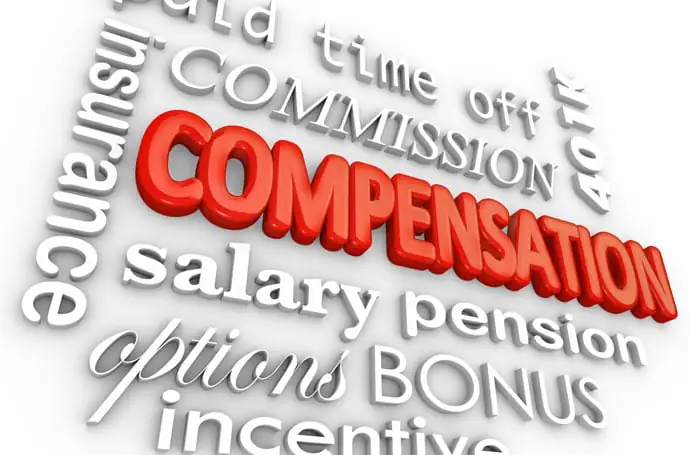
Pay transparency has become a core expectation for Generation Z. HR teams increasingly treat compensation transparency as a strategic element of culture to support equity, strengthen trust, and improve talent retention. *
Comprehensive Pay Transparency Framework:
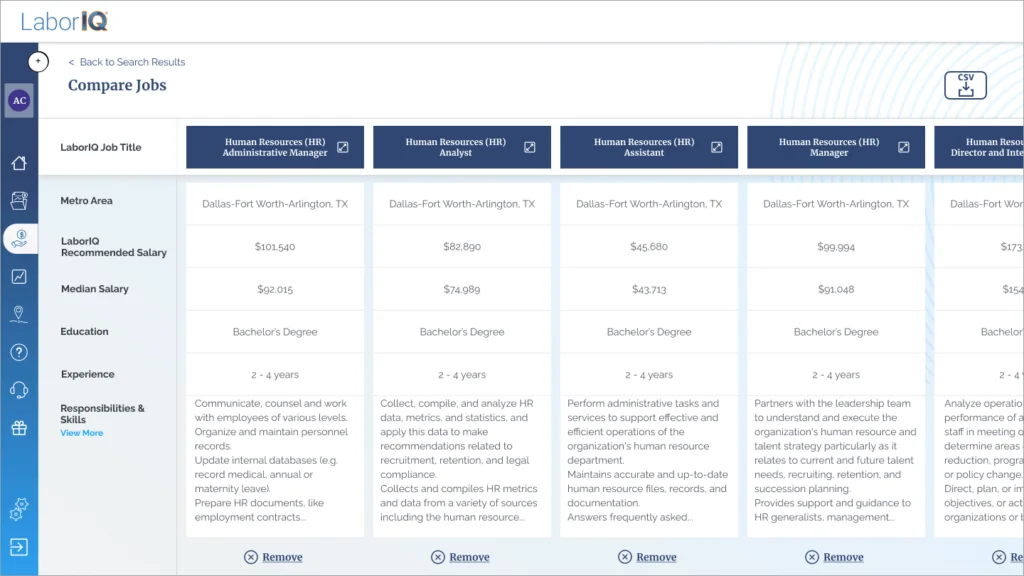
- Salary ranges in all job postings with clear positioning rationale
- Transparent progression criteria and advancement timelines
- Regular communication about market positioning and adjustment methodology
- Open discussion of pay determination factors and performance linkages
- Accessible resources explaining compensation philosophy and total rewards
Organizations embracing comprehensive pay transparency see improvement in Gen Z candidate trust and reduction in compensation-related turnover.*
Coaching and Management Approach Evolution
From Annual Reviews to Continuous Development
Traditional annual performance reviews fundamentally conflict with Gen Z expectations for continuous feedback, real-time coaching, and rapid skill development.*
Modern Coaching Framework:
- Weekly or bi-weekly one-on-one check-ins replacing annual reviews
- Real-time feedback on specific projects and contributions
- Collaborative goal-setting with regular progress discussions
- Peer feedback integration and 360-degree input
- Development planning focused on skills acquisition and career progression
Organizations that move from annual reviews to continuous coaching often see meaningful improvements in Gen Z performance and development outcomes, supported by more relevant feedback and consistent skill-building. *
Mentorship and Reverse Mentorship Programs
Generation Z values bidirectional learning relationships that respect their digital expertise and fresh perspectives while providing career guidance and organizational knowledge.*
Effective Mentorship Approaches:
- Formal mentorship programs connecting Gen Z employees with experienced leaders
- Reverse mentorship pairing senior leaders with Gen Z workers for digital skills and cultural insights
- Peer mentorship networks supporting horizontal learning and collaboration
- External mentorship access for specialized skill development
- Clear mentorship objectives, time commitments, and success metrics
Long-Term Implications and Strategic Opportunities
Organizational Culture Transformation
Adapting to Gen Z workforce expectations requires fundamental cultural transformation that extends beyond superficial policy changes to authentic value realignment.*
Cultural Evolution Requirements:
- Leadership modeling of transparency, authenticity, and continuous learning
- Decision-making processes incorporating diverse perspectives and challenging hierarchy
- Performance management systems emphasizing growth and development over tenure
- Flexible work arrangements as core operating principles rather than accommodations
- Purpose integration into strategy, operations, and daily decision-making
Organizations successfully transforming culture to align with Gen Z values position themselves for sustained competitive advantage, superior talent acquisition, and enhanced innovation capabilities.*
Innovation and Competitive Advantage Opportunities
Generation Z workers bring distinctive capabilities including digital fluency, adaptive thinking, social awareness, and collaborative orientation that drive innovation and competitive differentiation.*
Strategic Opportunity Areas:
- Digital transformation acceleration through Gen Z technical expertise and comfort with emerging technologies
- Customer insight enhancement from Gen Z understanding of evolving consumer expectations
- Innovation culture development leveraging Gen Z creativity and willingness to challenge conventions
- Social responsibility leadership through authentic Gen Z passion for purpose-driven business
- Agile operating model advancement aligned with Gen Z preference for flexibility and rapid iteration
Organizations that view Gen Z adaptation as opportunity rather than obligation capture significant competitive advantages in innovation, market responsiveness, and organizational agility.*

Employer Brand and Market Positioning
Successfully bridging the values gap creates powerful employer brand advantages that compound over time as Gen Z workforce dominance accelerates.*
Brand Positioning Benefits:
- Preferred employer status among quality Gen Z talent creating recruiting advantages
- Public recognition for progressive workplace practices and values alignment
- Competitive differentiation in talent markets and customer relationships
- Reduced recruiting costs and improved candidate quality through reputation effects
- Enhanced employee advocacy and organic recruitment through Gen Z networks
Organizations investing in Gen Z-aligned practices today establish employer brand positions that deliver sustained competitive advantages throughout the next decade and beyond.*
Financial Performance and Business Outcomes
Research demonstrates that organizations successfully engaging Gen Z workers achieve superior financial performance through improved productivity, innovation, and market responsiveness. These improvements come from a variety of sources, including:
- higher productivity from engaged Gen Z workers compared to disengaged peers
- greater innovation output from diverse, Gen Z-inclusive teams
- improvement in customer satisfaction from Gen Z customer-facing roles
- revenue growth advantage for companies with strong Gen Z engagement
- higher shareholder returns for organizations recognized as Gen Z-preferred employers
Implementation Roadmap for HR Teams
Immediate Action Items (0-6 Months)
- Audit current job descriptions for Gen Z alignment and transparency
- Implement comprehensive pay transparency in all job postings
- Establish continuous feedback protocols replacing or supplementing annual reviews
- Launch communication training for managers on Gen Z engagement
- Conduct values assessment identifying gaps between stated and lived organizational values
Medium-Term Initiatives (6-18 Months)
- Redesign performance management systems emphasizing development over evaluation
- Implement formal mentorship and reverse mentorship programs
- Develop flexible work policies as standard practice rather than exception
- Create transparent career progression frameworks with clear advancement criteria
- Establish regular Gen Z employee feedback forums and leadership engagement sessions
Long-Term Transformation (18+ Months)
- Complete cultural transformation embedding Gen Z-aligned values throughout organization
- Achieve employer brand recognition as Gen Z-preferred workplace
- Demonstrate measurable improvement in Gen Z recruitment, retention, and engagement metrics
- Establish thought leadership position on multi-generational workforce management
- Document and share lessons learned supporting broader organizational learning
Conclusion
The gap between traditional organizational values and Generation Z workforce expectations represents both significant challenge and extraordinary opportunity for forward-thinking employers. Organizations that proactively adapt hiring practices, communication protocols, management approaches, and cultural foundations to align with Gen Z values will capture sustained competitive advantages throughout the coming decades as this generation assumes workforce dominance.
HR teams must lead this transformation through systematic evolution of job descriptions, requirements, pay transparency, coaching approaches, and overall talent management practices. The investment in Gen Z alignment today determines organizational viability, competitiveness, and success throughout the 2030s and beyond.
Sources for the content of this article include:
- Pew Research Center generational workforce studies: https://www.pewresearch.org
- Deloitte Global Millennial and Gen Z Survey reports
- Society for Human Resource Management (SHRM): https://www.shrm.org
- McKinsey Institute research on Generation Z workforce trends
- Gallup workplace engagement research by generation
- Academic research from business schools on generational workplace dynamics